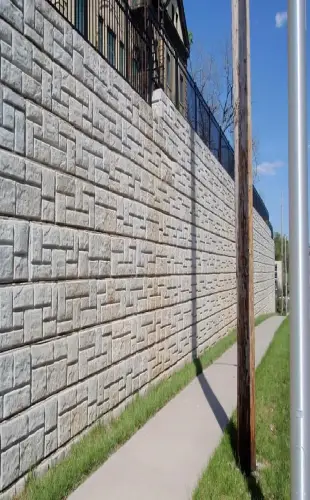
Knowing the factors that determine the cost of installing a retaining wall allows for better budget planning and helps you avoid unexpected expenses. At Garrett Precast, we manufacture and supply quality and affordable retaining walls in Travelers Rest, SC. Let’s break down some of the key factors that affect retaining wall costs.
Wall Material
The type of material used has one of the biggest impacts on retaining wall costs. Common materials include:
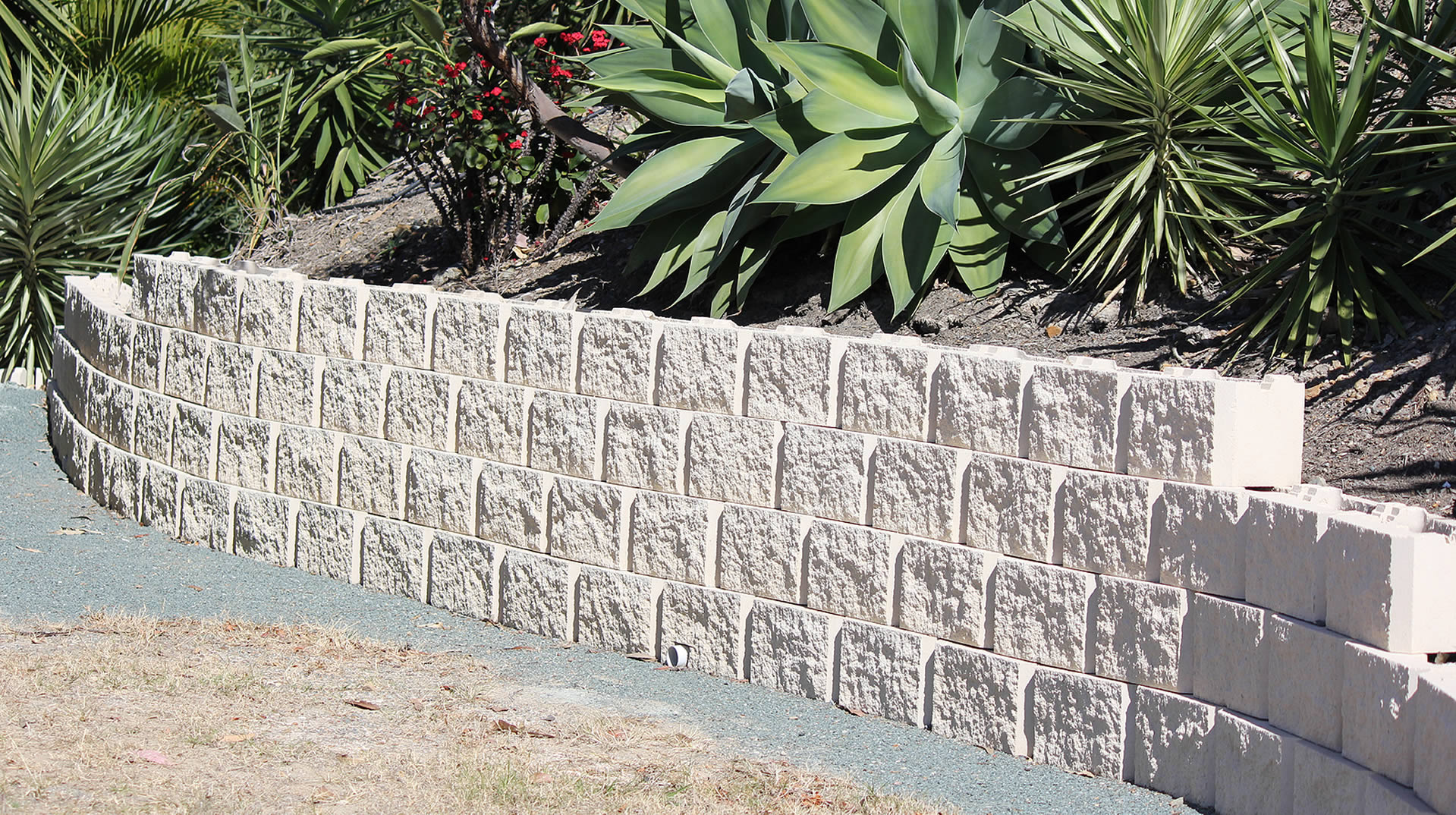
- Concrete blocks: Durable and easy to work with, but may cost more depending on the style and finish.
- Natural stone: Offers a premium, aesthetic look but can be expensive due to material costs and labor-intensive installation.
- Wood: More affordable initially, but may require frequent maintenance and replacement over time.
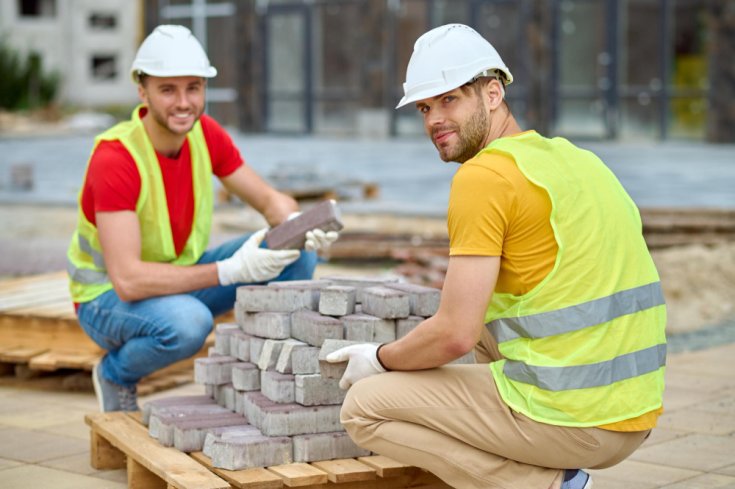
- Brick or pavers: Provide a polished appearance but can be labor-intensive to install.
Higher-quality materials cost more upfront but often offer better durability and long-term value. Always source your materials from a company that specializes in manufacturing concrete precast products.
Site Accessibility and Conditions
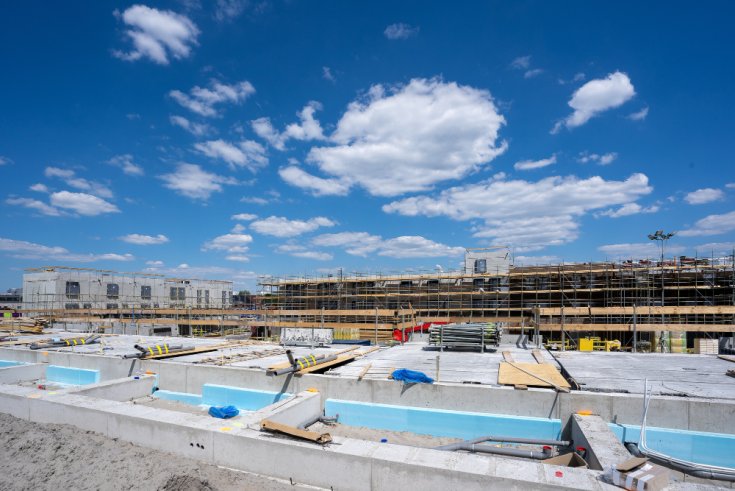
As you would expect, installing retaining walls in difficult terrain, such as steep slopes or areas with limited access for machinery, necessitate more manual labor. When a site has uneven ground or limited accessibility, contractors must take additional steps to prepare the area before installation can begin. This makes construction more complex, time-consuming, and labor-intensive. A top-rated company specializing in retaining wall installation knows how to navigate through these challenges and keep the costs in check.
Soil Type and Excavation
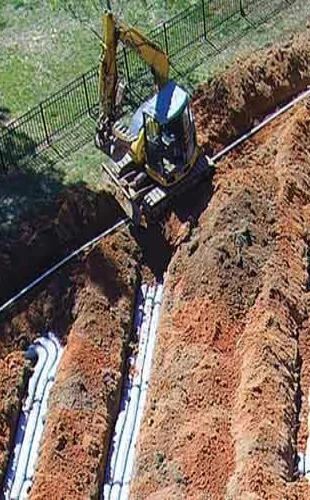
Rocky or clay soils require extensive excavation, specialized equipment, and deeper footings. This is because of poor drainage, lower load-bearing capacity, and high expansion and shrinkage. On the other hand, sandy soil, gravel soil, and bedrock tend to provide good stability that allows contractors to use shallower footings. This lowers installation costs significantly, reduces labor time, and minimizes the need for heavy machinery during construction.
Wall Height and Length
The size of the wall directly affects costs. Taller or longer walls require more materials, additional labor, and potentially engineering support. For walls exceeding 4 feet in height, local building codes often require structural reinforcement or professional engineering, which adds to the total cost. The precast company you hire for the job should be able to deal with any challenges that may arise when dealing with taller retaining walls.
Labor and Expertise
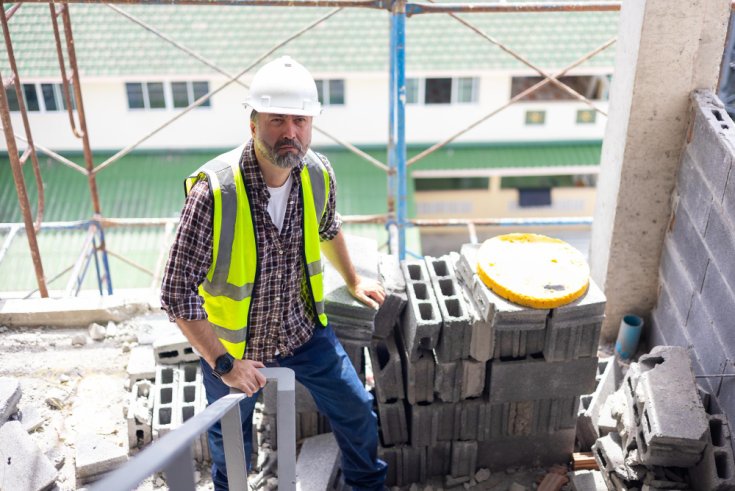
The complexity of the wall design influences labor costs. Simple, straight walls are easier and quicker to install, while curved, tiered, or decorative walls require skilled labor and more time. Hiring an experienced precast company ensures the wall is structurally sound and visually appealing but may come at a higher cost.
Permits and Engineering
Depending on the wall’s height, length, or location, local building codes may require permits and engineering plans. Engineering is particularly important for walls retaining significant soil loads or supporting structures. Permits and professional consultations add upfront costs but ensure the wall meets safety standards and avoids potential fines or liability issues.
Reach Out to Garrett Precast for Commercial and Residential Retaining Walls
If you’re looking for quality retaining walls, contact Garrett Precast today. We are a professional precast company that specializes in supplying a wide range of concrete precast products. We go the extra mile to supply quality products and stay ahead of the curve by continuously innovating and staying at the forefront of precast technology. Reach out today to place your order and learn more about the products we offer.