How Gravity Retaining Walls Stay Upright
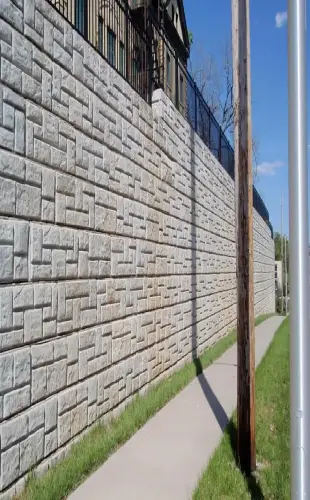
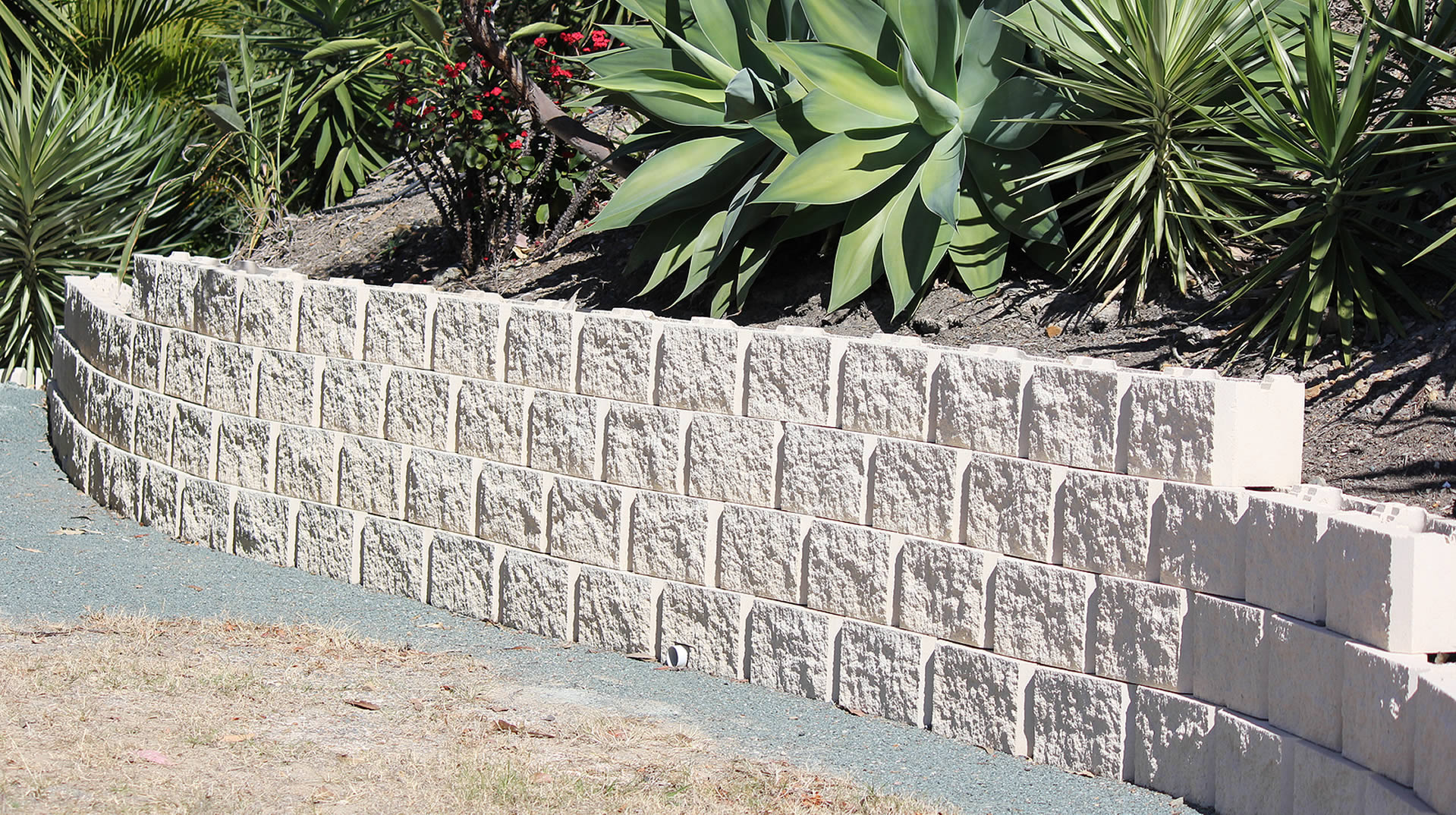
A gravity retaining wall stays in place primarily because of its own weight. These walls are built wider at the base than at the top, creating a large mass that resists the sideways pressure exerted by retained soil.
The greater the soil pressure, the more resistance the wall needs. This is why gravity walls can require substantial amounts of concrete, stone, masonry, or other heavy materials as wall height increases. Their design is relatively straightforward, but that does not mean a gravity wall can be sized by appearance alone.
A wall that looks thick enough may still experience sliding, overturning, or excessive pressure beneath its foundation if the design does not account for the site conditions.
When a Retaining Wall Requires Engineered Support
A retaining wall may require an engineered design when the height, soil conditions, surrounding slope, or loads behind the wall create structural demands that a simple gravity design cannot reasonably address. Taller walls require more careful analysis because soil pressure increases with retained height.
An engineered wall may incorporate reinforcement, a reinforced concrete footing, geogrid, tiebacks, piles, or other structural elements depending on the site. The goal is not simply to make the wall heavier but to create a system capable of resisting the forces acting on it.
Understanding Soil Pressure Behind Retaining Walls
Soil pressure depends on more than the amount of dirt behind the wall. Wall height, soil type, moisture content, groundwater, slope, and additional loads near the top all affect the forces acting on the structure.
For example, clay and granular soils behave differently under load and when saturated. A driveway, vehicle, building, fence, or other heavy feature near the wall can also create additional pressure. A sloped area behind the wall can further change the loading conditions. This is why simply adding more concrete is not always the answer. The entire retaining system needs to be considered.
Can a Heavier Gravity Wall Always Replace an Engineered Wall?
No. Increasing a wall's weight does not automatically make it suitable for every site or application. A retaining wall manufactured by a professional precast company must also resist sliding, overturning, foundation failure, and other potential failure modes.
A heavier gravity wall may require a much wider foundation and more material, which can create space limitations or increase construction requirements. In situations involving significant height, difficult soil, steep slopes, structures nearby, or substantial loads, an engineered solution may provide a more appropriate way to manage the forces.
Selecting the Right Retaining Wall Design
The choice should be based on the conditions the wall must withstand rather than simply comparing how much material each option uses. Gravity walls can rely on substantial mass, while engineered retaining walls in Greenville, SC use structural elements and site-specific design to manage soil and water forces. If you need professional guidance when making a choice, consult with a trusted precast company.
Looking for Concrete Precast Products? Contact Garrett Precast Today
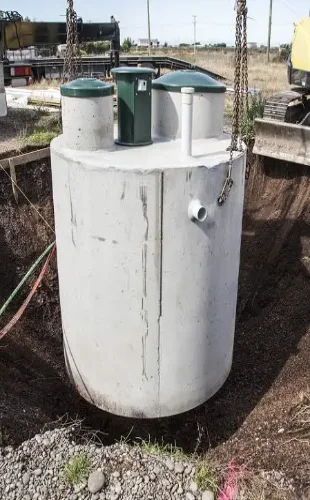
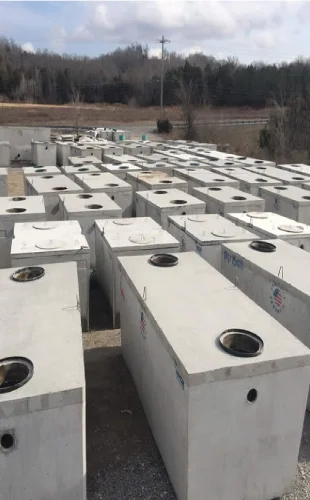
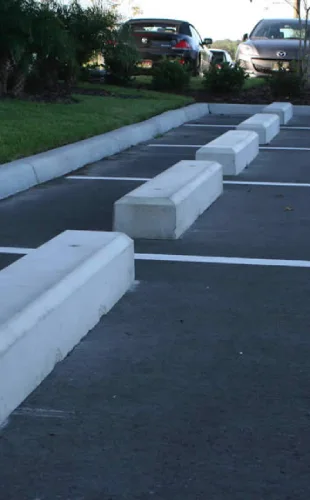
Garrett Precast is the precast company you can trust when you need quality and budget-friendly concrete precast products. Not only do we supply high-quality products, but we also deliver on time to keep projects on schedule. Some of the products we manufacture include retaining walls, concrete septic tanks, seawalls, septic tank risers, concrete parking stops, and more. Contact us to learn more about our concrete precast products.