Gravity walls rely on their own weight to hold back soil, while cantilever walls use a reinforced L-or T-shaped base where the weight of the soil itself helps stabilize the structure. Whether you’re a homeowner, builder, or landscaping company, knowing the differences between gravity walls and cantilever walls will help you choose better. In this post, the team at Garrett Precast compares the two types of retaining walls in Greenville, SC to help you select the right precast system.
How Gravity Retaining Walls Work
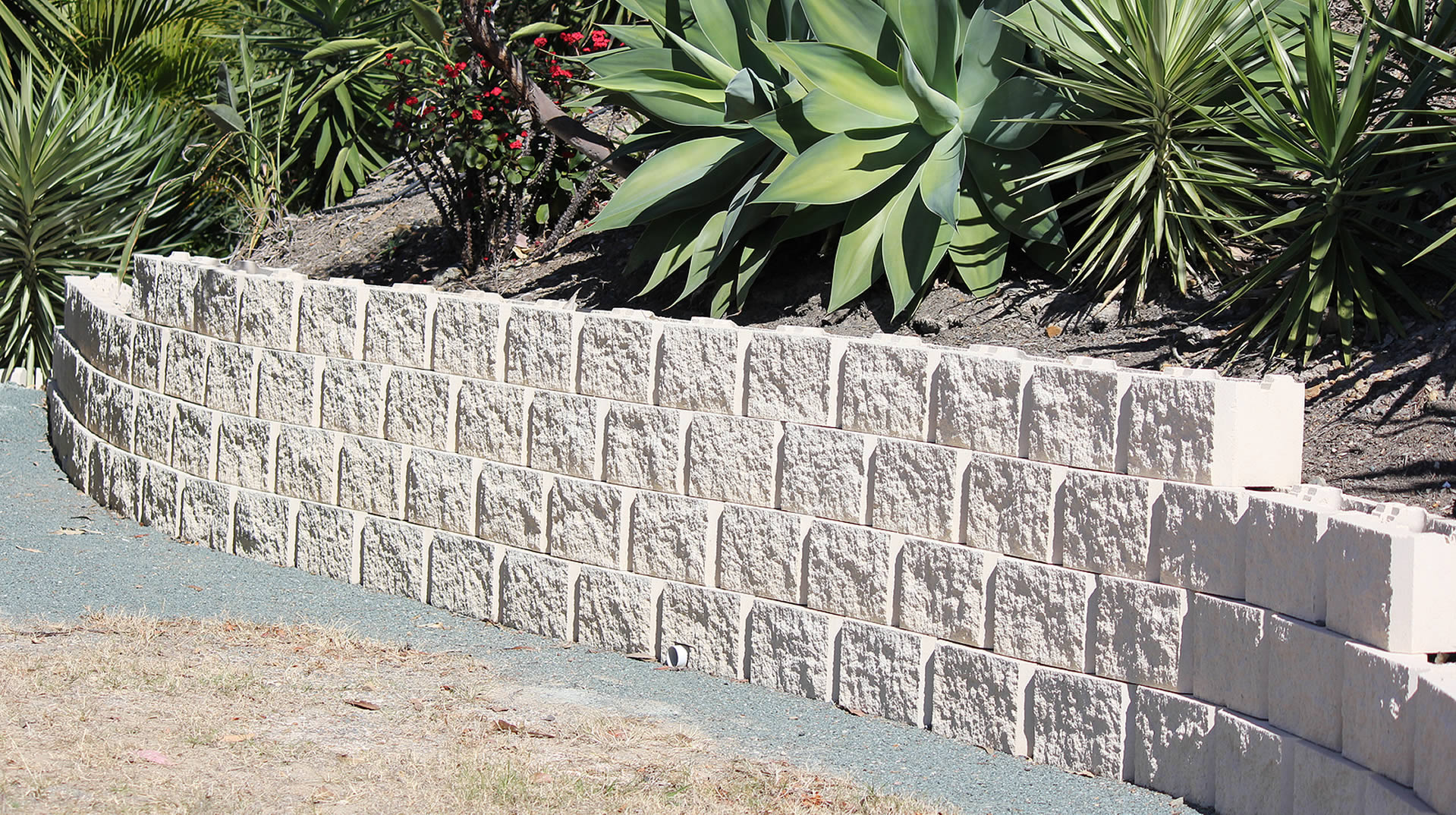
A gravity wall relies primarily on its own weight to resist the pressure exerted by retained soil. Precast concrete gravity systems are typically made with substantial panels or blocks that create a heavy structural mass.
Because the wall depends on weight for stability, the base may need considerable width. This can make gravity walls a good fit where sufficient space is available behind or in front of the wall and where the required height is within the system's design limits.
Their straightforward structural concept can also make them attractive for projects where a substantial precast wall can be installed without complicated structural components.
How Cantilever Walls Differ
Cantilever walls use a different approach. Instead of relying mainly on the wall's mass, they use a reinforced concrete stem connected to a footing. The footing extends beneath the retained soil, allowing the weight of the soil above the footing to contribute to the wall's stability.
This design can provide greater structural capacity while using less concrete than a comparable gravity structure. Cantilever systems can therefore be useful when the site has limited space for a large gravity wall.
However, the footing requires appropriate excavation and sufficient room for construction. The design also needs to account for soil pressure, wall height, groundwater, surcharge loads, and other forces affecting stability.
Comparing Space Requirements
Available space is an important consideration when choosing between the two systems. A gravity wall needs more mass and base width to resist lateral soil pressure. A cantilever wall can achieve stability with a narrower wall profile, although its footing still occupies space below grade.
Property boundaries, existing structures, utilities, roads, and other site features can influence which configuration is practical.
Consider Soil and Drainage Conditions
Neither wall type should be selected based on appearance alone. Soil characteristics affect the pressure placed against the wall, while poor drainage can increase hydrostatic pressure behind it.
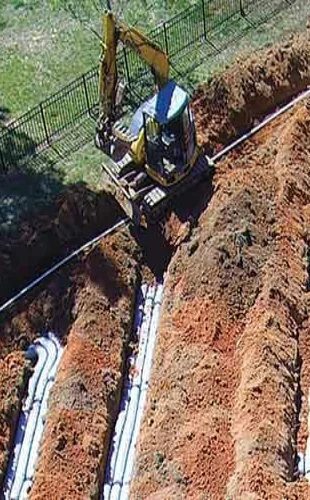
A suitable drainage design may include free-draining backfill, drainage pipes, outlets, and other measures based on site conditions. Water management is particularly important because accumulated water can add substantial pressure to a retaining structure.
Which Precast Wall System Is Right for Your Project?
The best choice depends on the project's structural and site requirements. Gravity walls may be appropriate when a substantial wall footprint is available and the required height falls within the system's capabilities. Cantilever walls may be preferable where greater wall height or a smaller structural footprint makes their design more practical.
Engineers and contractors can evaluate soil information, grades, loading conditions, drainage requirements, property constraints, and installation access before selecting a system. A professional precast company can then provide components designed for the project's specifications.
Looking For Quality Retaining Walls? Contact Garrett Precast Today
Choosing the right retaining walls is not just about materials. It is important to balance wall height, soil conditions, local building codes, and material costs. If you’re looking for a reliable precast company offering high-quality precast products, get in touch with the team at Garrett Precast. Whether your property calls for a gravity wall or another structural approach, our team is ready to provide you with quality concrete precast products. Call us now to learn more.