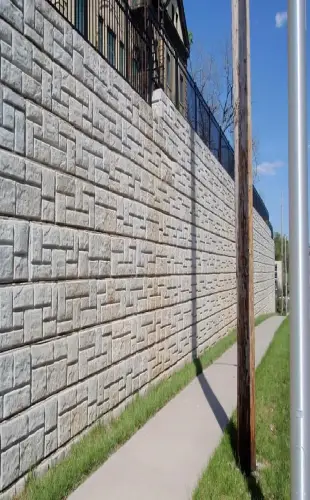
Garrett Precast is a reputable precast company that supplies quality concrete precast products. We understand that our products have to be taken good care of to avoid premature failure, safety risks, and other issues. Even though we supply durable concrete precast products, proper maintenance can go a long way in prolonging their lifespan. Let’s look at how water damage shortens the life of retaining walls.
Water Weight
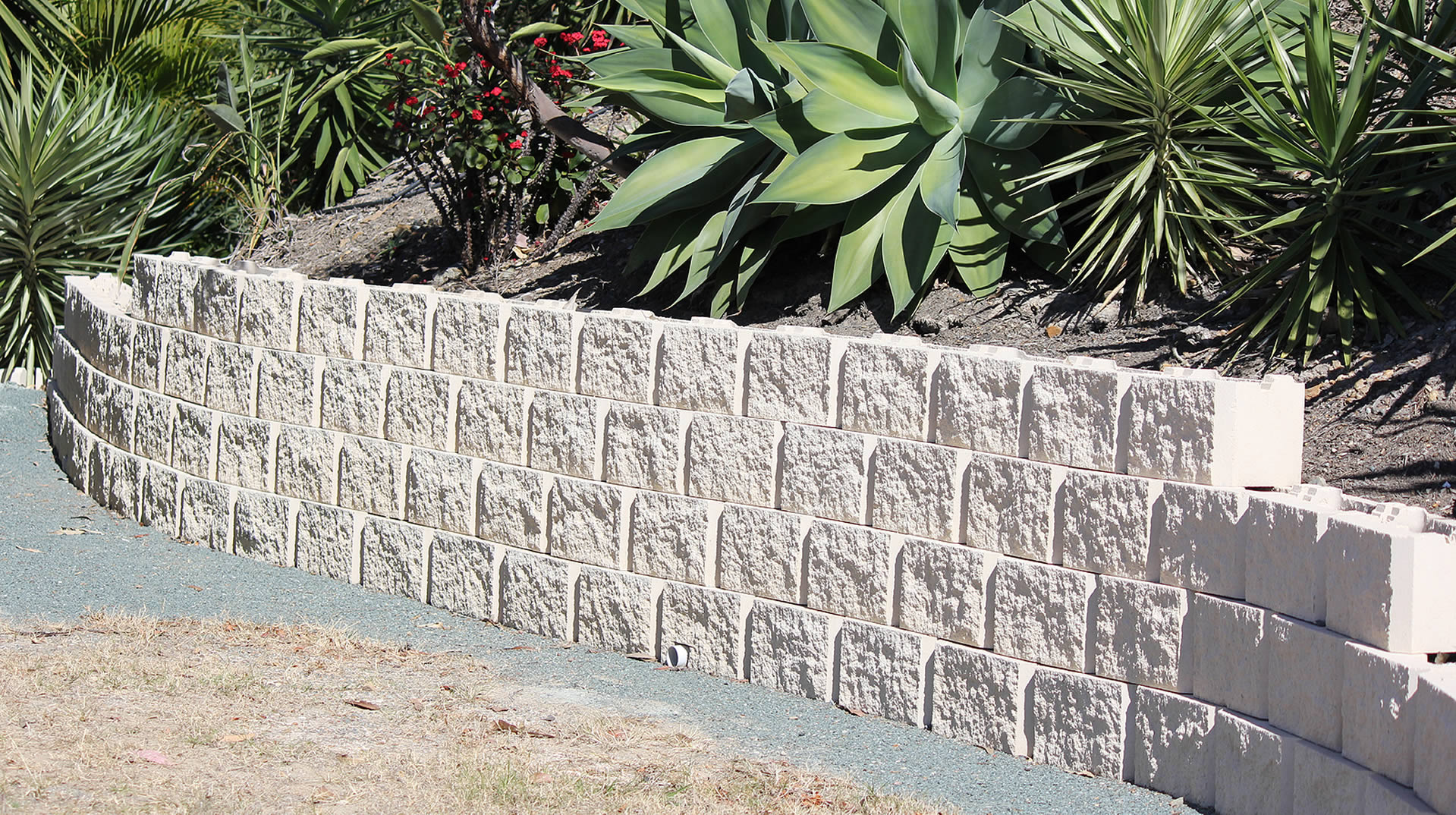
Hydrostatic pressure is often overlooked when it comes to elements that shorten the lifespan of retaining walls. When soil behind a wall becomes saturated, it holds immense amounts of water. This water creates intense hydrostatic pressure that acts as a horizontal force pushing directly against the retaining wall. A wall with saturated soil can experience double the lateral pressure compared to a properly drained wall, pushing it beyond its engineered capacity. This causes the wall to bulge, bow, or lean forward. Here are tips to prevent hydrostatic pressure from damaging your retaining wall:
- Place 12-18 inches of crushed stone behind the wall
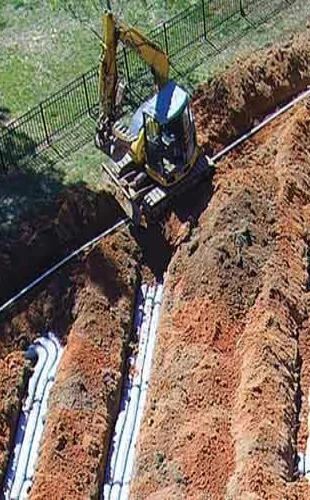
- Install a 4-inch perforated drain pipe at the base of the wall
- Install weep holes through the wall to allow water to drain through
- Grade the ground above the wall to slope away from the structure
Soil Erosion and Washout
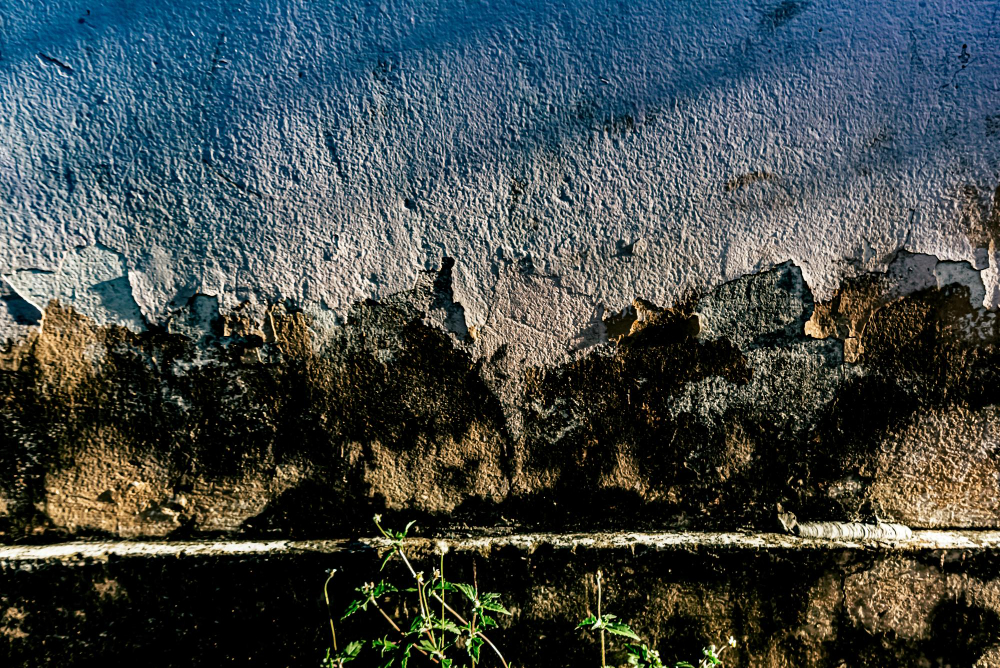
Uncontrolled surface water running over or behind the wall can wash away the fine particles of soil supporting the structure. This can create voids, causing the foundation to lose its support. If the problem goes unaddressed, the wall can sink, settle unevenly, and crack. Luckily, there are key strategies that you can implement to prevent this scenario. Install proper drainage components such as gravel backfill, perforated drain pipes, and weep holes. Surface water management also plays a key role in diverting water away from the wall top.
Soil Saturation and Movement
When soil becomes oversaturated, it expands and becomes heavier. This added weight increases the load on the retaining wall, making it more difficult for the structure to maintain its integrity. Saturated soil also loses its stability, leading to shifting or settling. As the ground moves, the wall may develop cracks, gaps, or uneven sections, all of which compromise its strength. If you’ve noticed these issues, reach out to a nearby precast company for professional recommendations and repairs.
Clogged or Failed Drainage Systems
Most retaining walls in Anderson, SC are designed with drainage features such as weep holes, gravel backfill, or perforated pipes. These systems allow water to escape and prevent pressure buildup. However, if they become clogged with debris, sediment, or plant roots, water will start to accumulate behind the wall. A failed drainage system essentially turns the wall into a dam—something it was never meant to be.
Contact Garrett Precast for Concrete Precast Products
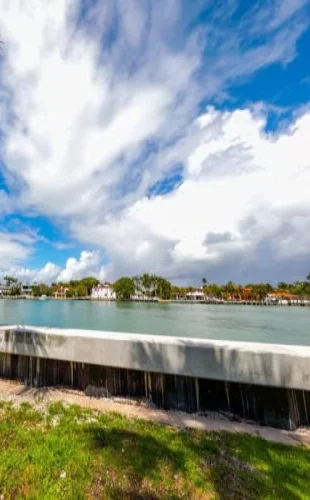
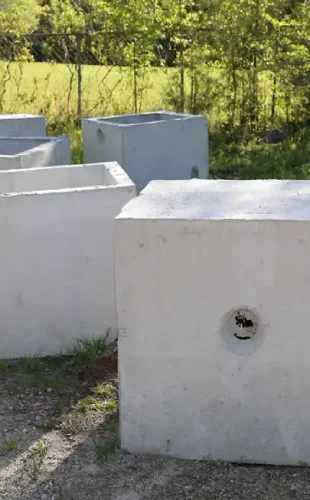
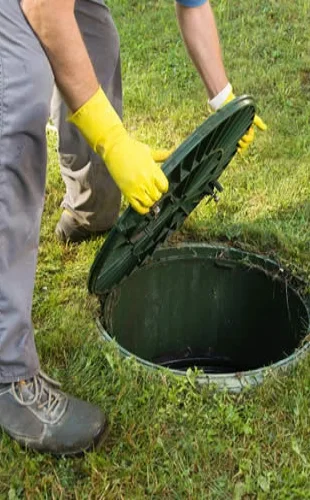
Looking for a reputable precast company offering concrete precast products? Look no further than Garrett Precast. We pride ourselves on providing strong and long-lasting retaining walls and other products. Our team adheres to the highest standards of quality, and we deliver on time to keep your projects on schedule. Whether you’re in need of retaining walls, seawalls, or concrete septic tanks, we’ve got you covered. Call us now to learn more about the concrete precast products we offer.