Garrett Precast is a professional precast company that manufactures and supplies high-quality retaining walls. In today’s blog post, we talk about how retaining walls protect your property. Keep reading to understand why retaining wall installation is a worthwhile investment.
Control Soil Movement on Sloped Properties
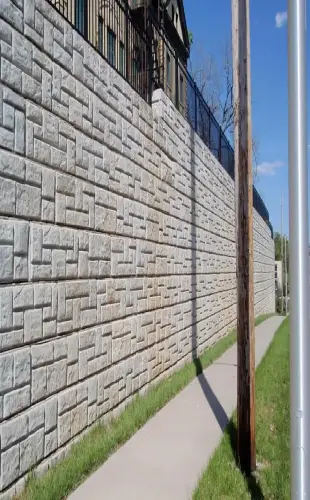
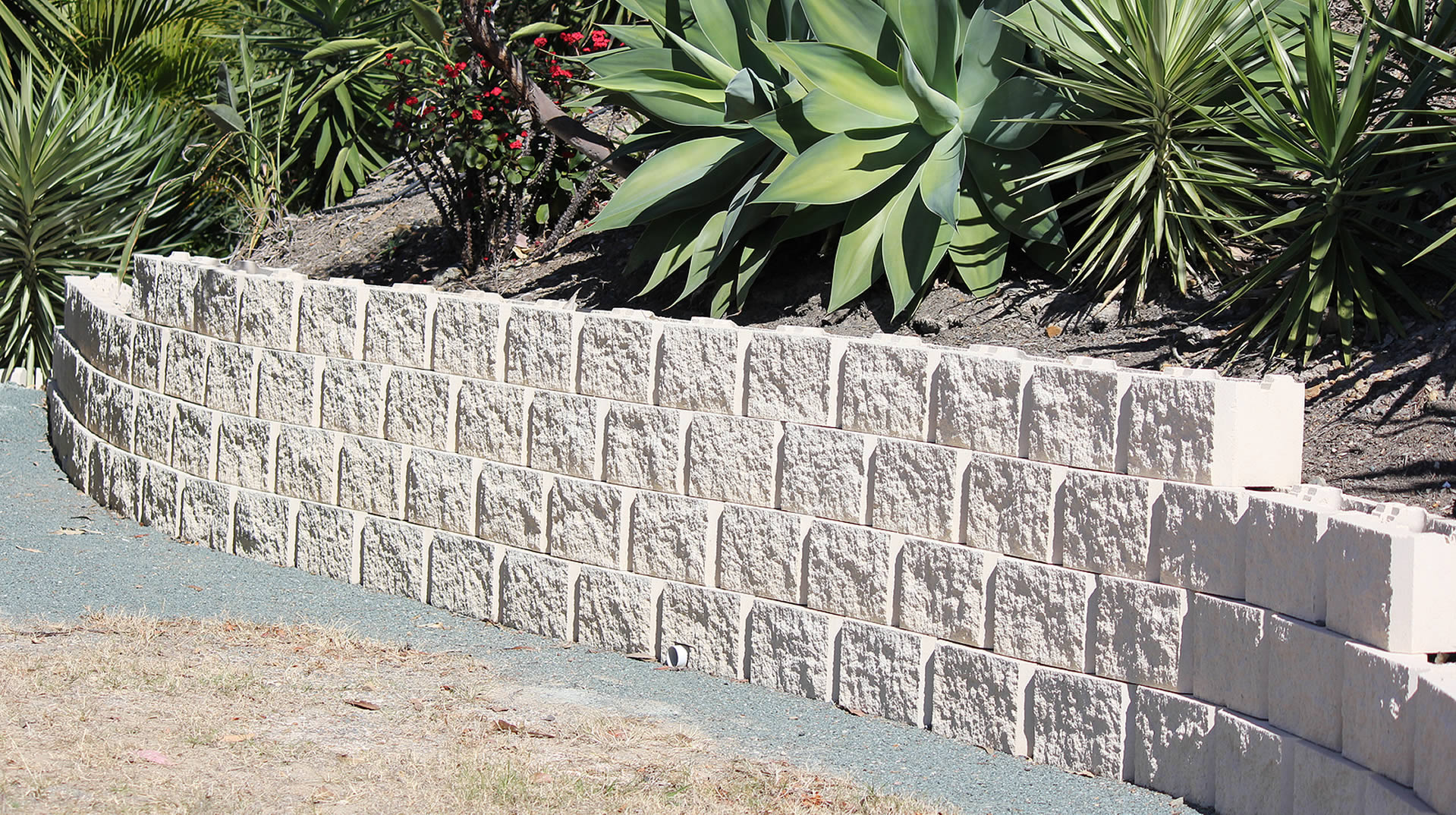
Slopes are naturally vulnerable to soil movement because gravity continually pulls loose material downhill. Heavy rainfall can make the problem worse by saturating the soil and increasing its weight. A retaining wall creates a barrier that holds soil at a planned elevation instead of allowing it to wash or slide toward lower areas.
This can be particularly useful around homes, driveways, patios, walkways, and landscaped areas where soil movement could affect how the property is used. The wall also creates defined planting areas and terraces, making a steep section of the yard more practical.
Manage Water Around Your Landscape
Water management is one of the most important considerations when building a retaining wall. Rainwater that flows down a slope can carry soil with it, gradually creating channels and exposing roots or landscape features. If water becomes trapped behind a wall, hydrostatic pressure can also place stress on the structure.
Proper drainage helps direct water away from the wall and toward an appropriate outlet. Depending on the property, this may involve drainage stone, perforated pipe, grading, or other drainage features. The goal is to give water a controlled path rather than allowing it to collect behind the wall or rush across vulnerable areas.
Reduce Erosion During Heavy Rain
Erosion can happen gradually, making it easy to overlook until noticeable sections of soil have disappeared. Bare slopes, recently disturbed ground, and areas with concentrated runoff can be especially vulnerable. A retaining wall can divide a long slope into smaller sections, reducing the amount of exposed soil that water can carry downhill.
Landscaping can also complement the wall by providing ground cover and vegetation that helps hold surface soil in place. Together, these concrete precast products can create a more stable landscape while reducing the effects of repeated rainfall.
Protect Useful Areas of the Property
Retaining walls can make difficult terrain more functional. A steep backyard, for example, may have limited space for outdoor activities or landscaping. By creating terraces, a retaining wall can establish flatter areas for gardens, seating, pathways, or other improvements.
The wall can also help protect existing features located below a slope. Keeping soil contained may reduce the chance of sediment moving onto driveways, walkways, or lower sections of the yard during storms.
Do You Need Concrete Precast Products? Contact Garrett Precast Today
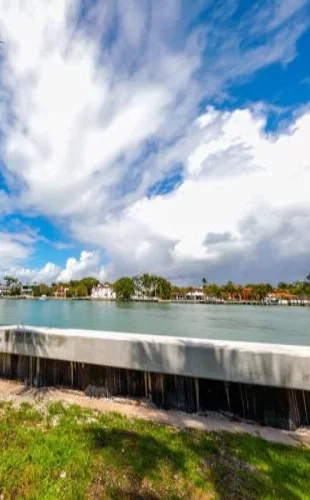
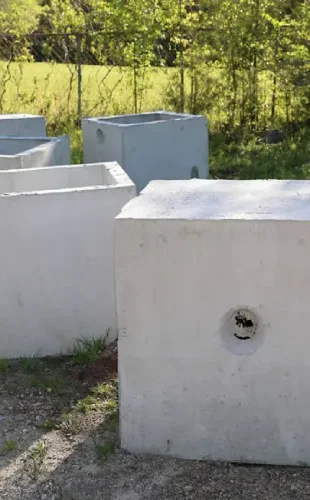
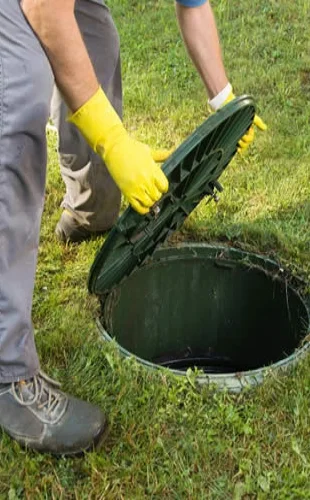
Retaining walls keep soil in place during storms, manage water flow around your property, and turn slopes into usable space. The quality of retaining walls can mean the difference between a stable, functional landscape and costly problems caused by erosion. If you’re looking for a reliable precast company offering quality retaining walls in Greenville, SC, reach out to the team at Garrett Precast. We are renowned for supplying quality concrete precast products in a timely manner. From retaining walls and seawalls to concrete parking stops and septic tanks, we are your one-stop source for top-quality products. Contact us today to learn more!