High-Strength Concrete Forms the Foundation
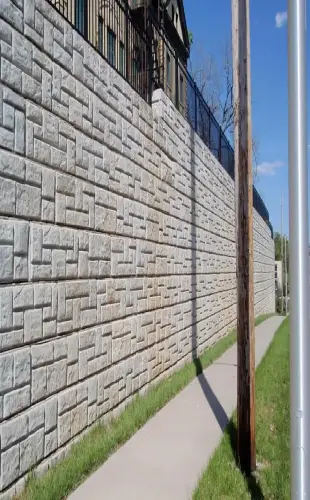
The primary strength of a precast retaining wall comes from the concrete itself. Manufactured in a controlled production environment, concrete precast products can be made with carefully measured mixtures and consistent curing conditions. This helps produce uniform units with predictable structural properties.
Concrete performs particularly well under compression, meaning it can withstand substantial forces that push down or press inward. However, concrete is less effective under tension, which occurs when forces attempt to pull or bend a component apart. That's why many precast retaining wall systems incorporate reinforcing steel or engineered connections where the design requires additional tensile strength.
The specific concrete mix, reinforcement, wall dimensions, and intended loading conditions all influence how much pressure a retaining wall can withstand.
Wall Geometry Helps Resist Soil Pressure
A retaining wall must resist the lateral pressure created by the soil behind it. The amount of pressure depends on factors such as soil type, slope, wall height, groundwater conditions, and the weight of nearby vehicles or structures.
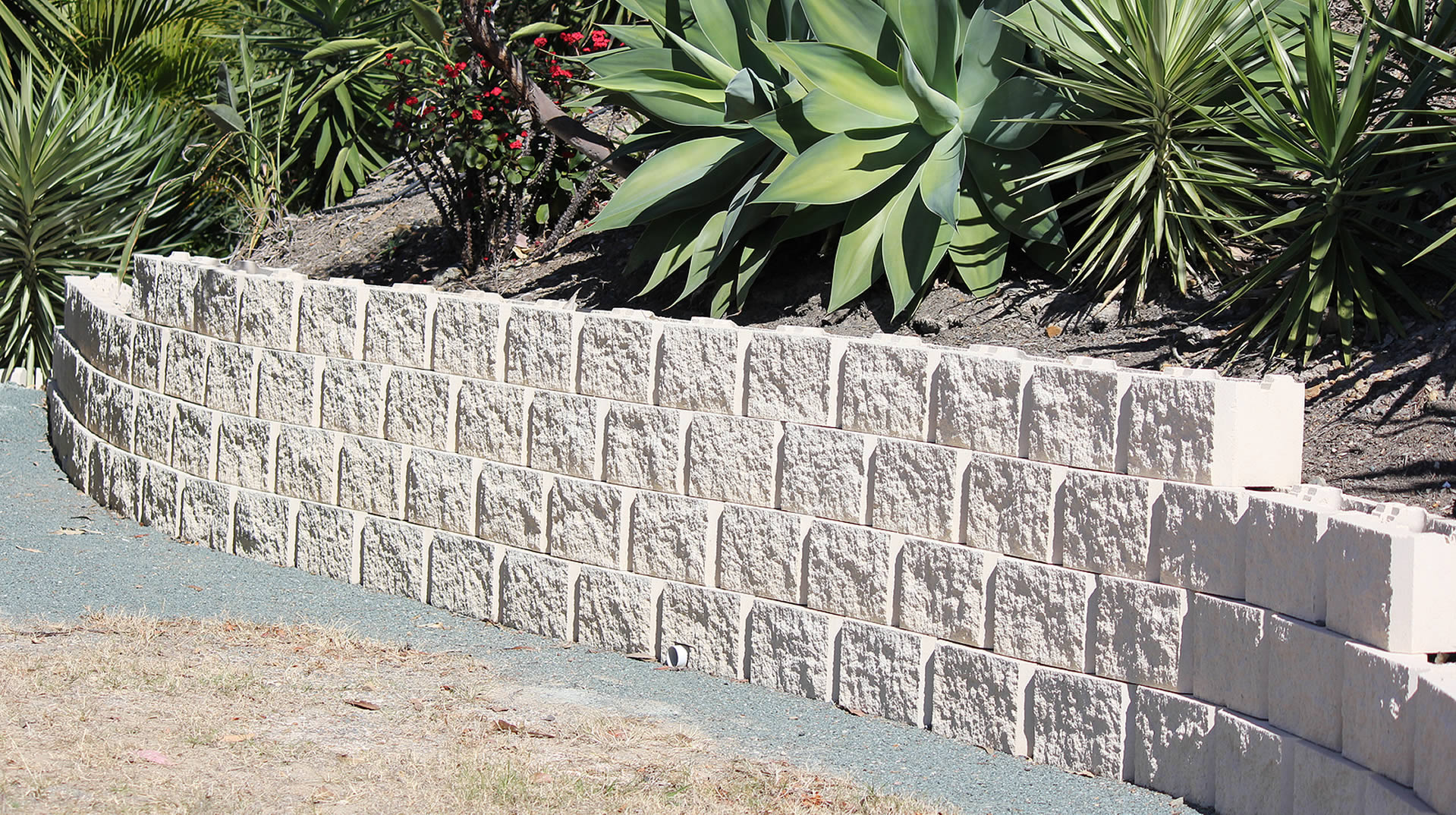
Precast retaining wall systems use different designs to manage these forces. Some rely on the mass of large concrete units to resist movement, while others use reinforced panels, engineered footings, or additional structural elements. The wall's shape, thickness, and support system are selected according to the project's requirements.
Proper foundation preparation is equally important. If the ground beneath the wall settles unevenly, the structure may tilt, crack, or shift. A properly designed base distributes loads and helps maintain stability over time.
Drainage Prevents Pressure From Building Behind the Wall
Even a strong concrete wall can experience problems when water accumulates behind it. Saturated soil becomes heavier, and trapped water creates hydrostatic pressure that pushes against the wall. Without suitable drainage, these forces can contribute to cracking, bulging, or structural failure.
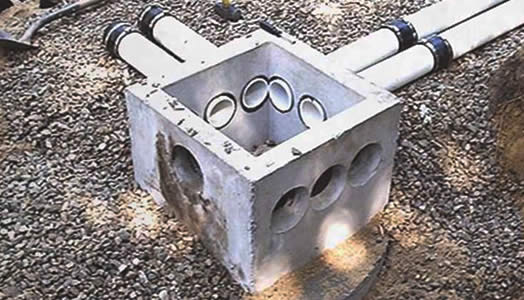
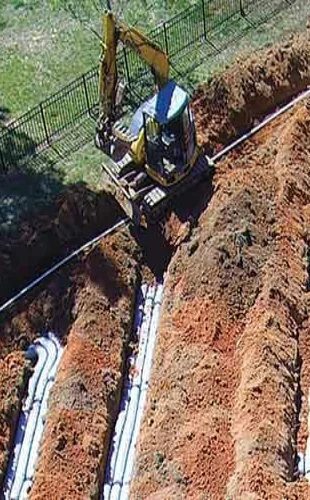
Many retaining wall designs incorporate drainage stone, perforated drainpipes, filter materials, or designated outlets to direct water away from the structure. Surface grading also matters because runoff should not collect behind the wall or flow toward vulnerable joints.
Drainage requirements vary by wall design and site conditions. During installation, the drainage system must be planned alongside the structural components rather than treated as an afterthought.
Controlled Manufacturing Supports Consistent Quality
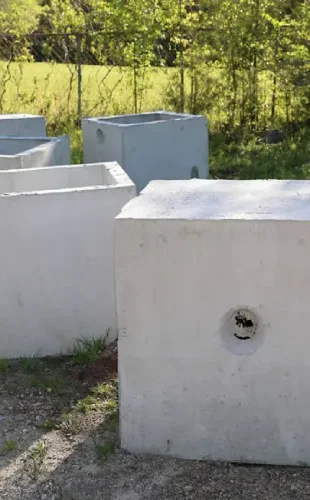
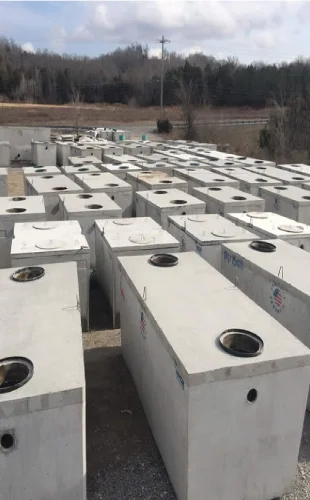
Concrete precast products are produced before arriving at the job site, allowing manufacturers to control important production variables. This can help provide consistent dimensions, reinforcement placement, and concrete curing compared with construction methods that rely entirely on on-site casting.
Production at the precast company can also reduce installation time because the components arrive ready for placement. However, manufacturing quality alone cannot compensate for a poorly prepared foundation, incorrect assembly, or inadequate drainage.
Do You Need Quality Retaining Walls? Contact Garrett Precast Today
Believe it or not, not all retaining walls are created equal. Some are built with durability in mind, while others crumble at the slightest sign of soil movement, water pressure, or poor drainage. If you’re looking for a professional precast company supplying high-quality retaining walls, look no further than Garrett Precast. Our products are not just strong and long-lasting; they are also customized to meet customers’ needs. We deliver concrete precast products on time and offer fair prices. Give us a call today to receive a quote and speak with one of our experts!



.webp)


