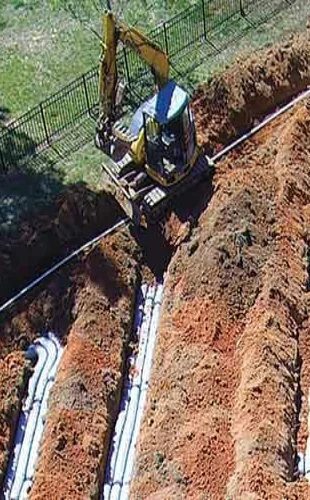
This article by Garrett Precast discusses the strength of concrete precast products in greater detail. With the information presented here, you’ll know how factory-controlled environments prevent concrete cracking.
Consistent Mixing Creates a More Uniform Material
The quality of concrete starts with the mix. Cement, aggregates, water, and other approved ingredients must be combined in the correct proportions. Small changes in the water-to-cement ratio can affect strength, workability, and shrinkage.
Factory-controlled production makes it easier to measure ingredients accurately and repeat the same mix design from one batch to another. Automated equipment and controlled processes can reduce inconsistencies that may occur when materials are measured or mixed under changing site conditions. A more uniform mix gives manufacturers greater control over the final properties of the concrete.
Temperature Control Matters
Temperature can have a major influence on concrete as it gains strength. Concrete that becomes too hot can lose moisture quickly, while very cold conditions can slow hydration and strength development. Rapid temperature changes can also contribute to internal stresses. This is where the factory-controlled environment comes in and makes a huge difference. Inside a controlled manufacturing environment, temperature can be monitored and managed more consistently. This allows concrete precast products or components to be produced under conditions designed to support predictable curing. Maintaining appropriate temperatures can reduce thermal stress and help the concrete develop more evenly.
Moisture Can Be Managed More Carefully
Concrete needs moisture to support hydration, the chemical process through which cement reacts with water and develops strength. If moisture is lost too quickly, the concrete can experience excessive drying shrinkage. That shrinkage can contribute to surface cracking and other defects. Factory production provides greater control over humidity, curing methods, and exposure to drying conditions. Depending on the product and manufacturing process, controlled curing can help maintain the moisture needed for proper strength development. The goal is not simply to keep concrete wet but to create conditions that allow it to cure at a controlled and consistent rate.
Quality Control Helps Catch Problems Early
Another advantage of factory production is the ability to perform systematic quality checks. A precast company can monitor raw materials, mix consistency, dimensions, curing conditions, and finished products throughout production. Testing and inspection can help identify inconsistencies before products leave the facility. This level of quality control is particularly valuable for concrete components that must meet specific performance requirements. Detecting problems early can reduce the likelihood of defective products reaching the job site.
Less Environmental Exposure During Production
Concrete produced outdoors can be exposed to changing weather conditions during mixing, placement, and early curing. Heat, wind, rain, and cold can all affect the material if they are not properly managed. A factory environment provides a more predictable setting. By reducing uncontrolled exposure during production, manufacturers can maintain more consistent processes and limit some of the environmental factors that contribute to uneven curing and cracking.
Looking For Quality Concrete Precast Products? Contact Garrett Precast Today
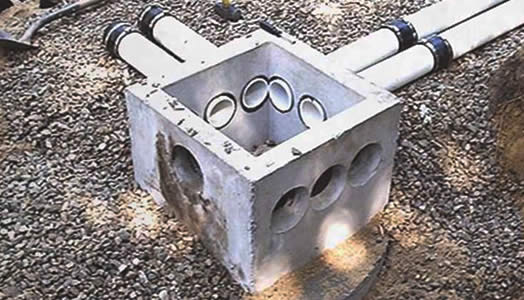
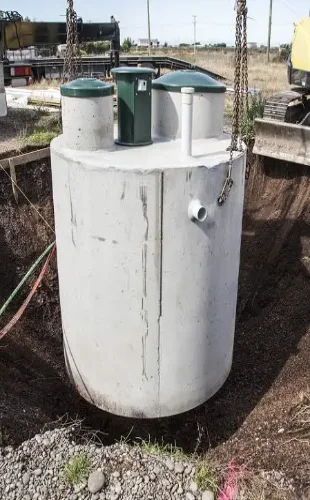
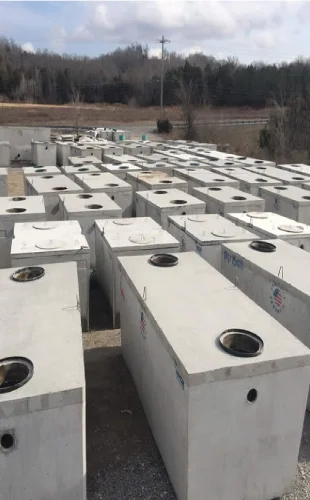
Garrett Precast specializes in manufacturing and supplying a wide range of products, including lift stations, distribution boxes, septic tanks, septic tank lids, grease trap tanks, and more. We are one of the premier precast companies that can manufacture concrete precast products in any shape, size, and surface finish you require. Contact Garrett Precast for a free design consultation or quote for your next project.