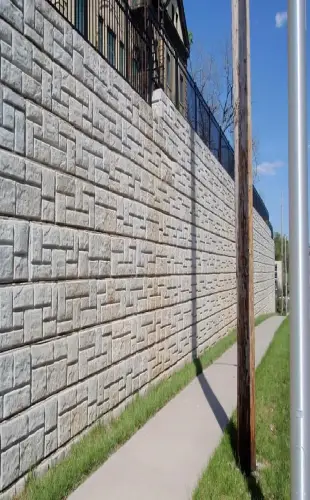
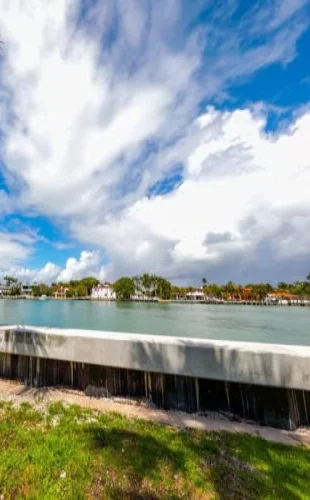
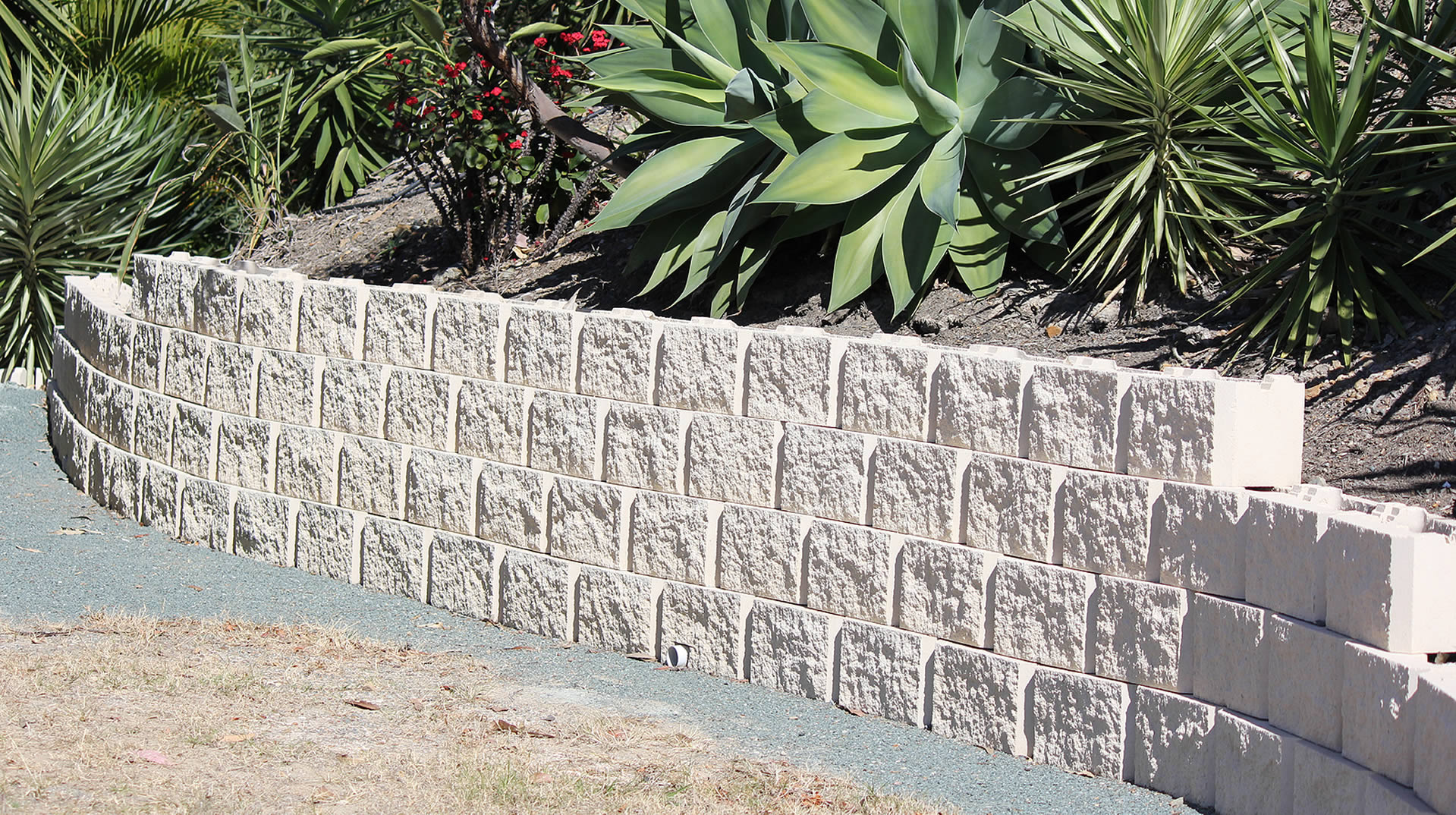
As a property owner, it’s important to be aware of the common causes of retaining wall problems and what you can do to avoid them. The most common ones include poor construction practices, foundation problems, erosion, drainage problems, and overloading. In this post, we’ll look into the drainage mistakes that cause retaining walls to fail.
No Drainage System Installed at All
The number one cause of retaining wall failure is simply the absence of a drainage system. Many older or DIY-built walls rely solely on the soil and gravity to manage water flow. The lack of a dedicated drainage solution leads to a scenario where water becomes trapped behind the wall. Over time, hydrostatic pressure increases, pushing the wall outward or causing sudden collapse. No matter the wall’s size or material, proper drainage is essential.
Improper Backfill Materials
Using the wrong backfill is another common mistake. Some builders use native soil, clay, or heavily compacted dirt behind the wall. These materials retain water instead of allowing it to flow downward and away. When backfill holds moisture, the soil expands, adding pressure to the wall. The correct backfill typically includes coarse gravel or crushed stone, which improves drainage, filters water, and stabilizes the wall structure. Without the right backfill, even well-designed walls can fail prematurely.
Poorly Installed or Clogged Drain Pipes
Installing a drainpipe is only helpful if it’s positioned and maintained correctly. A perforated pipe should sit at the base of the wall, surrounded by gravel and wrapped in a filter fabric to prevent clogs. If the pipe is installed too high, backward, at the wrong slope, or without protection from soil intrusion, it may not move water efficiently. Over time, clogged or improperly placed drainpipes allow water to accumulate behind the wall, causing cracks, bulging, or shifting.
Lack of Weep Holes on Solid Retaining Walls
Concrete or masonry retaining walls require weep holes that allow water to escape. Without them, water becomes trapped behind the solid structure. Walls without weep holes can experience severe pressure buildup. Even when weep holes are installed, they must be spaced correctly and protected with gravel or filters to prevent blockage.
Poor Surface Drainage and Grading
Even a perfectly built retaining wall can fail if the ground above it slopes toward the wall instead of away. Surface water from rain, irrigation systems, or melting snow can rush directly toward the backfill, overwhelming the drainage system. Proper grading directs runoff away from the wall to reduce the amount of water entering the soil behind it. Incorrect grading forces the wall’s drainage system to handle far more water than it was designed for.
Inadequate Waterproofing or Drainage Fabric
Some retaining walls need additional protection, such as waterproof membranes or geotextile fabric, especially in areas with heavy rainfall or clay soil. Without these barriers, fine particles seep into gravel and pipes, clogging the drainage system. Over time, this leads to poor water flow and increased soil pressure.
Contact Garrett Precast Today for Quality Retaining Walls and Other Concrete Precast Products
Looking for a local retaining wall supplier? Get in touch with the experts at Garrett Precast. We are a local precast company that supplies high-quality retaining walls in Greenville, SC for both residential and commercial uses. We combine top-quality materials with modern technology and stringent quality control measures to create reliable retaining walls. Call us today for reliable precast concrete solutions.